
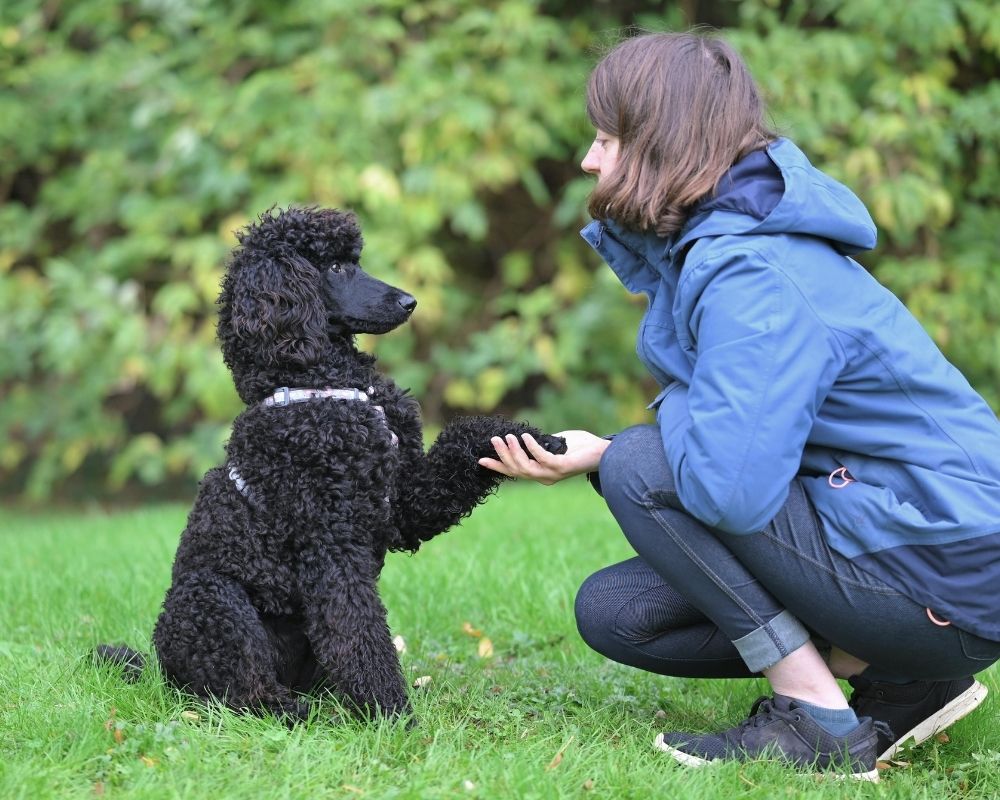
Pet Behavioral Counseling in Springdale, PA
What Is Pet Behavioral Counseling?
We believe every pet is unique, so we tailor our advice to your pet’s personality and your family’s daily life. We take time to listen, because you know your pet better than anyone.
Behavioral Concerns We Often Discuss
- Anxiety and Fear: Nervousness around storms, car rides, new people, or being left alone.
- Aggression: Growling, snapping, or biting toward people or other animals.
- House-Soiling: Accidents indoors, or a cat who avoids the litter box.
- Destructive Behavior: Chewing, scratching, or digging that is hard to redirect.
- Excessive Vocalization: Barking, howling, or yowling that seems out of character.
- Sudden Changes: Shifts in mood, sleep, or activity, especially in older pets.
What to Expect During Your Pet’s Visit
- Detailed Conversation: We ask when the behavior started, what seems to trigger it, and how it affects your household.
- Physical Exam: We examine your pet from nose to tail, since pain or illness can show up as a behavior change.
- Health Testing: When it makes sense, we recommend diagnostics & labwork to look for medical causes.
- Environment Review: We talk through your pet’s routine, home setup, exercise, and interactions with people and other pets.
- Personalized Plan: We suggest practical steps you can try at home and explain how to carry them out.
- Follow-Up Support: We check in on how your pet is doing and adjust the plan as their needs change.
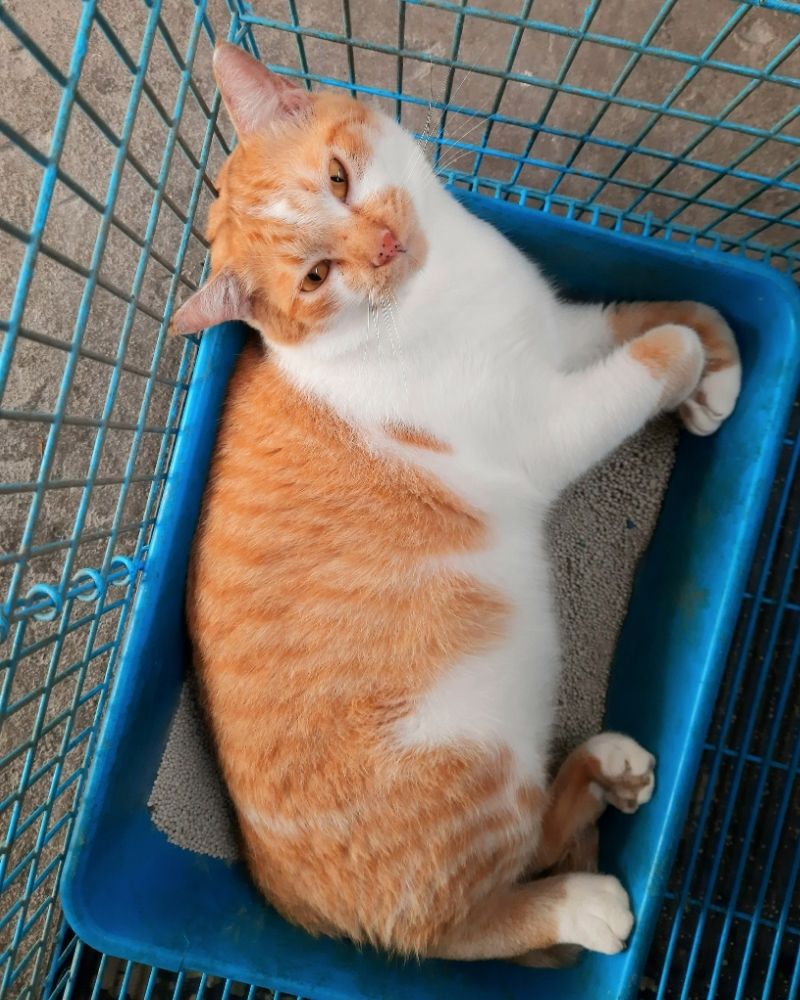
Why Behavior Matters
Behavior is one of the first ways pets tell us something is wrong. A cat who stops using the litter box, or a dog who suddenly snaps, may be dealing with pain, an infection, or another medical problem. In many cases, finding and treating a medical cause can help improve behavior.
Behavior concerns can also strain the bond between you and your pet. Ongoing stress may affect your whole household, and aggression can put people and other animals at risk. Getting help early gives us more options.
Age and life stage can play a role, too. Hormones can influence some behaviors, which is one reason we discuss timing during spay & neuter conversations. Older pets can develop new anxiety or confusion, and our senior pet care services look closely at those changes. Puppies and kittens introduced to veterinary exams at a young age are often less stressed by visits later in life, so early wellness exams can help set the stage.
Low-Stress Visits Built Around Your Pet
At River Valley Veterinary Hospital, our veterinarians and staff get to know each patient’s handling preferences and what helps them relax. For pets who don’t like being around other patients, we can adjust their visit to keep stress low. That may include escorting them straight to an exam room and bypassing the public waiting area. We also do our best to keep wait times short.